Hamer v. Sidway
New York Court of Appeals
27 N.E. 256, 124 N.Y. 538 (1891)
- Written by Megan Petersen, JD
Facts
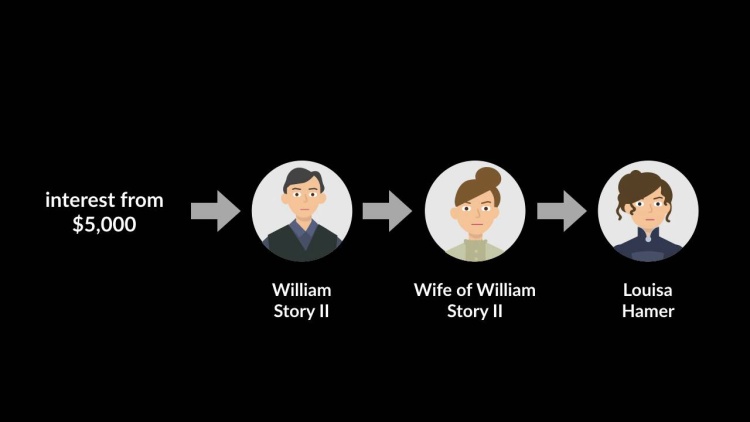
On March 20, 1869, William E. Story, Sr. (Senior) publicly promised his nephew, William E. Story II (William), that he would pay William $5,000 if William refrained from drinking alcohol, using tobacco, swearing, and playing cards or billiards for money until William turned 21. William fulfilled his end of the bargain and, upon turning 21 in 1875, informed Senior that he had upheld his promise. Senior’s responding letter affirmed that William was entitled to the $5,000 but stated that the money would be held in a bank, earning interest, until Senior felt William could take care of the money responsibly. William consented to that arrangement. Twelve years later, Senior died without having paid William the money. By that time, a series of assignments had resulted in Louisa Hamer (plaintiff) holding William’s interest in the funds. Hamer filed a claim with Franklin Sidway (defendant), the executor of Senior’s estate. She sought payment of $5,000 plus interest dating to 1875. When Sidway denied the claim, Hamer sued Sidway, seeking to enforce Senior’s promise to William and thus recover the funds. Sidway argued that the promise between Senior and William did not constitute an enforceable contract because the promise lacked consideration. Sidway claimed that consideration was lacking because the promise neither benefited Senior nor imposed any detriment on William. In fact, Sidway argued, William was benefited by complying with the agreement because it led him to avoid harmful conduct. Hamer countered that William’s forbearance from engaging in conduct in which he was legally entitled to engage constituted consideration even if that forbearance arguably benefited William. The trial court concluded that consideration existed and the promise was therefore enforceable. The appellate court reversed. Hamer appealed to the New York Court of Appeals.
Rule of Law
Issue
Holding and Reasoning (Parker, J.)
What to do next…
Here's why 966,000 law students have relied on our case briefs:
- Written by law professors and practitioners, not other law students. 47,500 briefs, keyed to 1,007 casebooks. Top-notch customer support.
- The right amount of information, includes the facts, issues, rule of law, holding and reasoning, and any concurrences and dissents.
- Access in your classes, works on your mobile and tablet. Massive library of related video lessons and high quality multiple-choice questions.
- Easy to use, uniform format for every case brief. Written in plain English, not in legalese. Our briefs summarize and simplify; they don’t just repeat the court’s language.
- AI-generated podcast version of every brief — listen on the go, between classes, or whenever reading isn’t an option. New
Understand your casebook readings in seconds
Use our case briefs to comprehend your casebook readings faster, supplement your notes and outlines, and outshine your peers in class.
Get instant access to over 47,500+ expert-written case briefs in a searchable database keyed to 1,007 law school casebooks.