





Loving v. Virginia
United States Supreme Court
388 U.S. 1 (1967)
- Written by Angela Patrick, JD
Facts
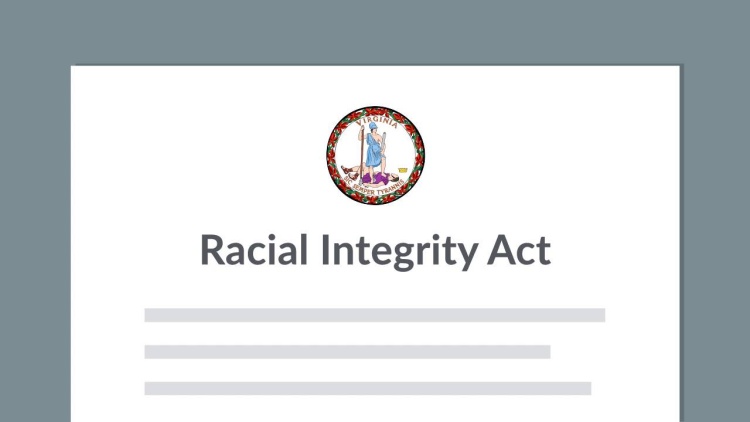
Mildred Jeter, a Black woman, and Richard Loving, a White man (defendants) were married in the District of Columbia pursuant to its laws. Shortly after, the Lovings moved to Virginia. Virginia had an anti-miscegenation law that criminalized a marriage between a White person and a person of any other race but allowed other interracial marriages. In October 1958, the Lovings were indicted for violating the Virginia anti-miscegenation law. The Lovings entered guilty pleas and were sentenced to one year in jail. The trial court suspended the sentences for 25 years on the condition that the Lovings leave Virginia and not return to the state together for 25 years. The Lovings left the state but filed a motion in Virginia state court to vacate their convictions. The Lovings argued in part that the convictions violated the Equal Protection Clause of the Fourteenth Amendment. Virginia objected, arguing that (1) under the Equal Protection Clause, its only obligation was to apply its laws equally among different groups of people; and (2) its anti-miscegenation law punished both White people and non-White people equally for any violation. The trial court upheld the convictions. The Virginia Supreme Court of Appeals affirmed, finding that the law furthered a legitimate state purpose of preserving racial integrity and racial pride. The United States Supreme Court granted certiorari.
Rule of Law
Issue
Holding and Reasoning (Warren, C.J.)
Concurrence (Stewart, J.)
What to do next…
Here's why 966,000 law students have relied on our case briefs:
- Written by law professors and practitioners, not other law students. 47,500 briefs, keyed to 1,007 casebooks. Top-notch customer support.
- The right amount of information, includes the facts, issues, rule of law, holding and reasoning, and any concurrences and dissents.
- Access in your classes, works on your mobile and tablet. Massive library of related video lessons and high quality multiple-choice questions.
- Easy to use, uniform format for every case brief. Written in plain English, not in legalese. Our briefs summarize and simplify; they don’t just repeat the court’s language.
- AI-generated podcast version of every brief — listen on the go, between classes, or whenever reading isn’t an option. New
Related Videos

Understand your casebook readings in seconds
Use our case briefs to comprehend your casebook readings faster, supplement your notes and outlines, and outshine your peers in class.
Get instant access to over 47,500+ expert-written case briefs in a searchable database keyed to 1,007 law school casebooks.
