



Play video

Energy Storage and Electric Vehicles

Learn about how captured energy can be stored for future use and learn about the federal government’s support for electric vehicles.

Transcript

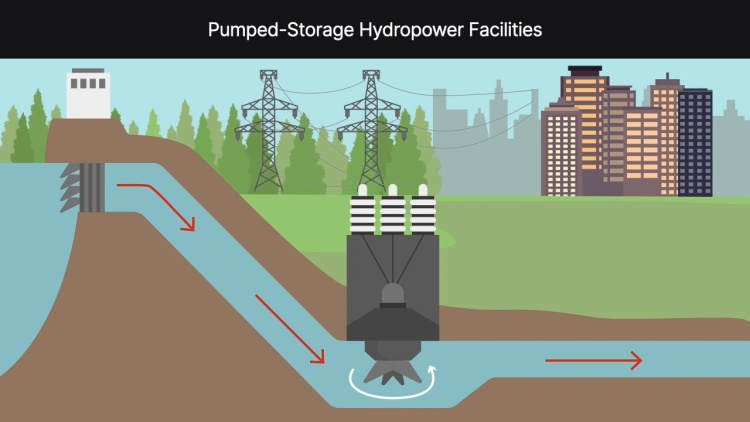
In addition to electricity generation and distribution, energy storage is an important part of the electricity system. Energy storage broadly refers to technology that can store captured energy for future use. Particularly in response to the growing renewable energy resource industry, energy storage can help provide more consistent access to electricity during gaps in generation caused by intermittent renewable resources, including wind and solar energy.

I. Utility-Scale Battery-Storage...

Lessons

1. Welcome to Energy Law
2. The Energy Industry and Electric Utilities
  • The Electric System
  • Renewable Energy and Climate Change
  • Utility Regulatory Compact
  • Public-Utility Commissions
  • Wholesale Electricity Markets
  • Federal Electricity Regulation
3. Coal-Fired Electricity
  • Property Rights in Coal
  • Coal Mining Regulations
  • Coal-Fired Power Plant Emissions
  • Coal’s Decline in Popularity
4. Oil and Natural Gas
  • Property Rights in Oil and Gas
  • Fracking and Offshore Drilling
  • Transporting Oil and Gas
  • Oil and Gas Markets
5. Nuclear Energy
6. Wind Energy
  • Benefits of Wind Energy
  • Intermittent Nature of Wind
  • Impacts on Wildlife and the Environment
  • Rights to Wind
  • Government Support for Wind Energy
7. Hydropower and Solar Energy
  • Hydropower Facilities and Regulation
  • Environmental Impacts of Hydropower
  • Solar Energy
  • Solar Access and Grid Issues
8. Other Energy Resources and Energy Issues
  • Waste-to-Energy Facilities and Biomass
  • Geothermal and Ocean Energy
  • Energy Efficiency
  • Transportation Energy Policies
  • Energy Storage and Electric Vehicles