



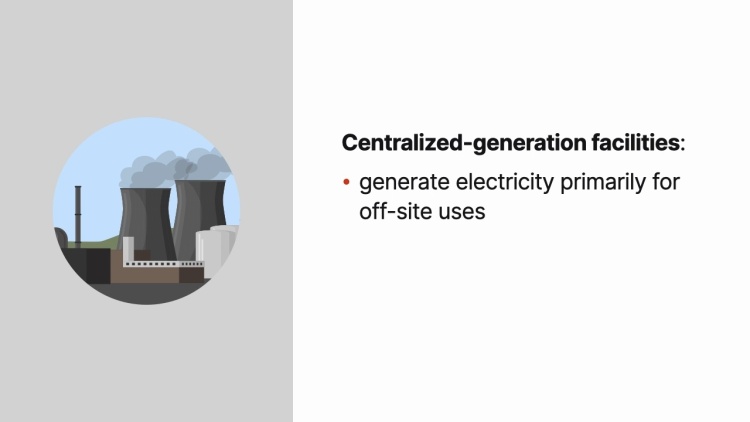
Play video

The Electric System

Learn about the electric infrastructure system that generates, transmits, and distributes energy to residential and business consumers in the United States.

Transcript

In physics, energy is defined as the capacity to do work. The field of energy law broadly applies to the control and management of physical or chemical energy resources. The electric system is responsible for transforming energy resources into usable electricity for consumers. In the electric system, energy is generated, transmitted, and distributed across the country to residential customers and businesses. Let’s take a detailed look at the electricity system and energy infrastructure in the...

Lessons

1. Welcome to Energy Law
  • Welcome to Energy Law
2. The Energy Industry and Electric Utilities
  • The Electric System
  • Renewable Energy and Climate Change
  • Utility Regulatory Compact
  • Public-Utility Commissions
  • Wholesale Electricity Markets
  • Federal Electricity Regulation
3. Coal-Fired Electricity
  • Property Rights in Coal
  • Coal Mining Regulations
  • Coal-Fired Power Plant Emissions
  • Coal’s Decline in Popularity
4. Oil and Natural Gas
  • Property Rights in Oil and Gas
  • Fracking and Offshore Drilling
  • Transporting Oil and Gas
  • Oil and Gas Markets
5. Nuclear Energy
  • History of Nuclear Power
  • Uranium Mining
  • Risks of Nuclear Power
  • Nuclear Waste
  • Federal Support for Nuclear Energy
6. Wind Energy
  • Benefits of Wind Energy
  • Intermittent Nature of Wind
  • Impacts on Wildlife and the Environment
  • Rights to Wind
  • Government Support for Wind Energy
7. Hydropower and Solar Energy
  • Hydropower Facilities and Regulation
  • Environmental Impacts of Hydropower
  • Solar Energy
  • Solar Access and Grid Issues
8. Other Energy Resources and Energy Issues
  • Waste-to-Energy Facilities and Biomass
  • Geothermal and Ocean Energy
  • Energy Efficiency
  • Transportation Energy Policies
  • Energy Storage and Electric Vehicles