



Play video

The Dissolution Process

Learn about the grounds for dissolution and the general process and procedure for dissolving a marriage.

Transcript

There are two common ways in which a marriage legally ends. They are the death of a spouse and dissolution. Dissolution, more commonly referred to as divorce, dissolves the marital relationship and legally restores the spouses to an unmarried state. In this video, we’ll explore the dissolution process.

I. Grounds for Dissolution

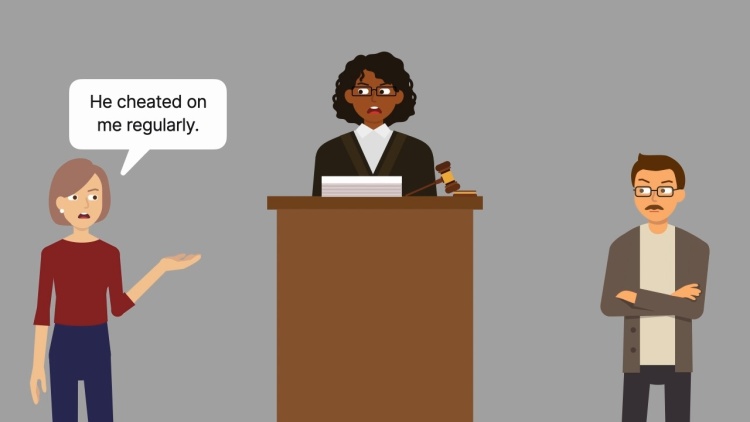
California is a no-fault divorce state. Consequently, in a dissolution proceeding, evidence of misconduct by either spouse is generally inadmissible. There are only two...

Lessons

1. Welcome to California Community Property
  • Welcome to California Community Property
2. Property in the Marriage Context
  • Creation of the Marital Economic Community
  • Community Property Versus Separate Property
  • The Characterization Process
3. Characterizing Property
  • Work-Related Compensation
  • Business Interests
  • Other Personal Property
  • The Marital Home
  • Title Forms for Real Property
4. Management, Control, and Liability
  • Management and Control of Personal Property
  • Management and Control of Real Property
  • Fiduciary Duties
  • Liability for Debts
5. Modifying Rules by Agreement
  • Premarital Agreements
  • Defenses to Premarital Agreements
  • Transmutation Agreements
6. Distribution on Dissolution or Death
  • The Dissolution Process
  • The Impact of Separation
  • The Distribution of Assets and Debts on Dissolution
  • Spousal and Child Support
  • The Distribution of Assets and Debts on Death
7. Nonmarital Relationships Affecting Property
  • Registered Domestic Partnerships
  • Void and Voidable Marriages
  • Marvin Relationships