



Play video

Health Privacy

Learn about HIPAA, including how covered entities may use protected health information (PHI).

Transcript

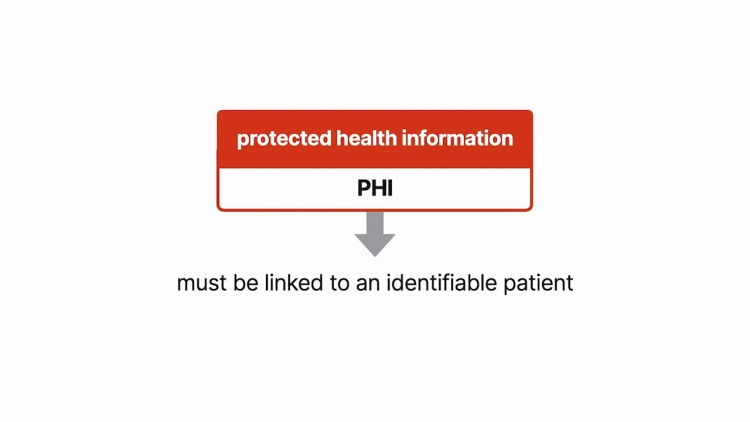
In the United States, health privacy is governed primarily by two federal laws. In 1996 Congress enacted the Health Insurance Portability and Accountability Act, or HIPAA. Under HIPAA, the Department of Health and Human Services, or HHS, created the Privacy Rule, which is intended to protect patients’ private information while also improving health-record management. The Privacy Rule applies only to certain entities, called covered entities. Most healthcare entities,...

Lessons

1. Welcome
  • Welcome to Healthcare Law
2. Health Insurance
  • Medicare
  • Medicaid
  • Private Rights Enforcement
  • ERISA
  • ERISA Preemption and Remedies
  • ERISA Remedies and ACA Reforms
3. The Structure of Healthcare Entities
  • The Professional Workforce
  • Forming a Healthcare Entity
  • Fiduciary Duties at Healthcare Entities
  • Tax-Exempt Status
  • Joint Ventures and Tax-Exempt Status
4. Fraud and Abuse in Healthcare
  • The False Claims Act
  • The Anti-Kickback Statute
  • Stark Law
  • Enforcement Mechanisms
  • Qui Tam Actions
5. Antitrust Issues in Healthcare
  • Overview of Antitrust Laws in Healthcare
  • Mergers and Acquisitions in Healthcare
  • Working with Competitors
  • Payers with Market Power
6. Tort Liability of Healthcare Entities
  • The Physician-Patient Relationship
  • Physician Duties Regarding Information
  • Physician Duties Regarding Clinical Care
  • Hospital and Health Plan Liability
7. Recurring Legal Issues in Patient Care
  • Reproduction and Birth
  • Organ Transplantation
  • Research Involving Human Subjects
  • The End of Life
  • Health Privacy
  • Discrimination in Healthcare
8. Public Health Law
  • The Police Power
  • Free Exercise Challenges
  • Noncommunicable Conditions