



Play video

Rejection and Revocation

Learn about the buyer’s right to reject nonconforming goods, the legal effects of rejection, and the buyer’s right to revoke acceptance.

Transcript

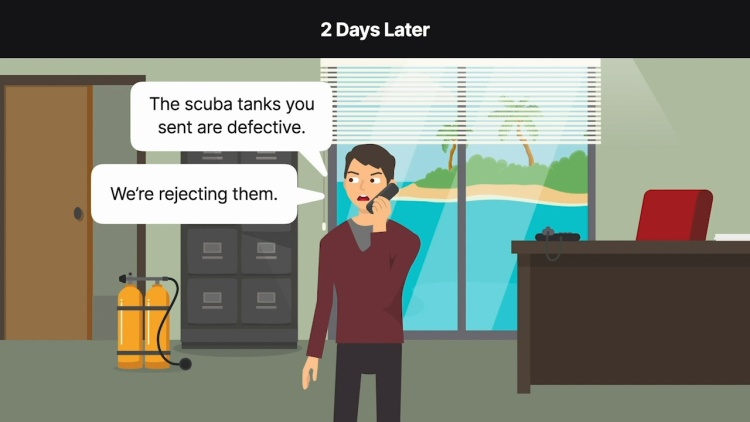
In another lesson, we discussed how a buyer can accept goods. Now let’s talk about the buyer’s other option, rejection. Under Article 2, if the buyer doesn’t effectively reject a tender, the goods are deemed accepted. After acceptance, the buyer can no longer reject the goods, only revoke acceptance.

I. Rejecting Goods

A buyer may reject goods by seasonably notifying the seller of the rejection within a reasonable time after tender or delivery. At a minimum, a reasonable time for rejection...

Lessons

1. Welcome to Sales
  • Welcome to Sales
2. Introduction to UCC Article 2
  • Scope of Article 2: Transactions in Goods
  • Distinguishing Goods and Services Contracts
  • Key Terms in Article 2
3. Contract Formation and Modification
  • Contract Formation and Modification
  • Battle of the Forms
  • The Statute of Frauds
  • The Parol Evidence Rule
4. Contract Interpretation
  • Article 2 Gap-Fillers
  • Risk of Loss
  • Additional Interpretive Devices
5. Performance
  • The Perfect-Tender Rule and the Right to Cure
  • Inspection and Acceptance
  • Rejection and Revocation
6. Breach, Repudiation, and Excuse
  • Anticipatory Repudiation
  • Adequate Assurance
  • Impracticability of Performance
7. UCC Article 2 Warranties
  • Express Warranties
  • Implied Warranty of Merchantability
  • Implied Warranty of Fitness
  • Excluding and Modifying Warranties
8. Remedies
  • Seller's Remedies
  • Seller's Alternative Remedies
  • Buyer's Remedies for Nondelivery
  • Buyer's Remedies for Accepted Goods
  • Buyer's Incidental and Consequential Damages