



Play video

Bankruptcy Theory and Policy

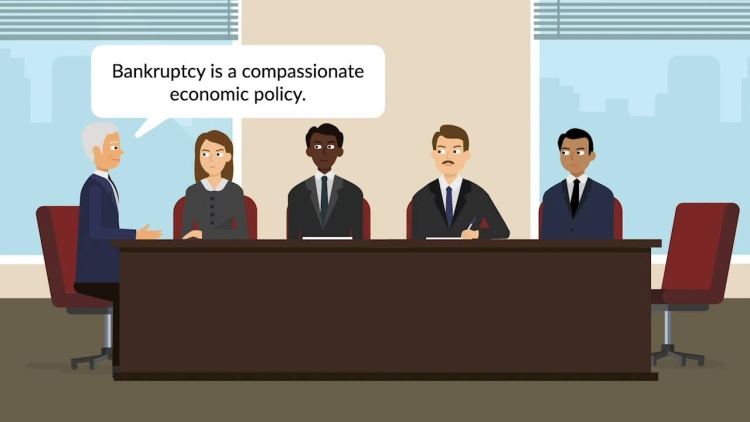
Learn why the United States (along with virtually every other developed nation) even has bankruptcy law, along with why bankruptcy law is crucial to maintaining both economic stability and social order.

Transcript

Broadly speaking, bankruptcy is a legal system enabling individuals and entities to discharge or restructure their debts in an orderly, centralized proceeding. In the United States, bankruptcy has historically been, and remains, the subject of lively debate. This debate centers around the collision between two fundamental, opposing ideals.

First, a debt is an important obligation, both legally and morally, which shouldn't lightly be cast aside. Second, society benefits from, and indeed,...

Lessons

1. Welcome to Bankruptcy
5. Chapter 7 Liquidation
  • Chapter 7 Panel Trustee
  • Distribution of Estate Property in Chapter 7
  • Discharge in Chapter 7
  • Personal-Property Collateral in Chapter 7
  • General Grounds to Dismiss a Chapter 7 Case
  • Introduction to the Means Test and Dismissals or Conversions for Abuse
6. Debt Adjustment in Chapter 13
  • Eligibility to File for Chapter 13
  • The Estate in Chapter 13
  • Introduction to the Chapter 13 Plan of Debt Adjustment
  • Terms Permitted in a Chapter 13 Plan
  • Chapter 13 Confirmation Requirements: Treatment of Secured Claims
  • Chapter 13 Confirmation Requirements: Treatment of Unsecured and Priority Claims
7. Preferences
  • Introduction to Preferences
  • A Transfer to a Creditor or for a Creditor's Benefit Made for or on Account of an Antecedent Debt
  • A Transfer Enabling a Creditor to Receive More Than It Would in Chapter 7
  • The Net-Benefit Rule
  • Contemporaneous Exchanges for New Value
  • Transfers in the Ordinary Course of Business
  • Subsequent New Value