



Play video

Discharge in Chapter 7

Learn about the circumstances in which the bankruptcy court may deny the debtor a discharge in chapter 7 or, in more limited cases, revoke the discharge entirely.

Transcript

I. Prepetition v. Postpetition Debt

In chapter 7, a discharge eradicates the debtor's personal liability for all dischargeable prepetition debts. Chapter 7 draws a bright distinction between prepetition and postpetition debt. The chapter 7 discharge doesn't affect postpetition debt at all, including postpetition debt incurred to refinance prepetition debt.

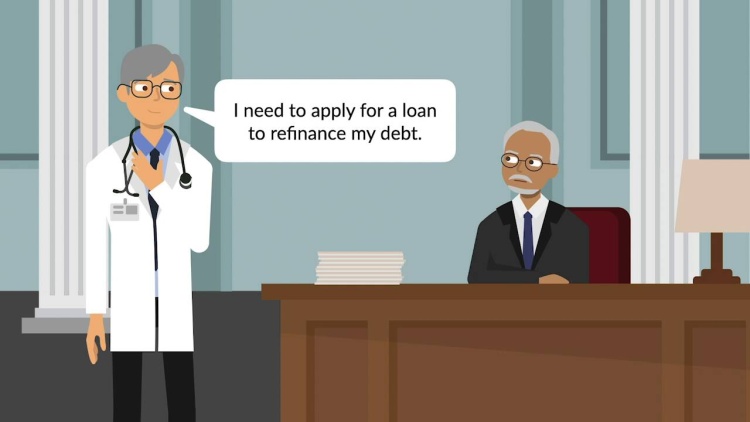
Suppose a physician declared chapter 7 bankruptcy owing student-loan debt to a bank. A short time later, before discharge, the physician...

Lessons

1. Welcome to Bankruptcy
5. Chapter 7 Liquidation
  • Chapter 7 Panel Trustee
  • Distribution of Estate Property in Chapter 7
  • Discharge in Chapter 7
  • Personal-Property Collateral in Chapter 7
  • General Grounds to Dismiss a Chapter 7 Case
  • Introduction to the Means Test and Dismissals or Conversions for Abuse
6. Debt Adjustment in Chapter 13
  • Eligibility to File for Chapter 13
  • The Estate in Chapter 13
  • Introduction to the Chapter 13 Plan of Debt Adjustment
  • Terms Permitted in a Chapter 13 Plan
  • Chapter 13 Confirmation Requirements: Treatment of Secured Claims
  • Chapter 13 Confirmation Requirements: Treatment of Unsecured and Priority Claims
7. Preferences
  • Introduction to Preferences
  • A Transfer to a Creditor or for a Creditor's Benefit Made for or on Account of an Antecedent Debt
  • A Transfer Enabling a Creditor to Receive More Than It Would in Chapter 7
  • The Net-Benefit Rule
  • Contemporaneous Exchanges for New Value
  • Transfers in the Ordinary Course of Business
  • Subsequent New Value