



Play video

Personal-Property Collateral in Chapter 7

Learn about the rules governing whether a chapter 7 debtor can retain tangible personal property securing a debt.

Transcript

I. Example

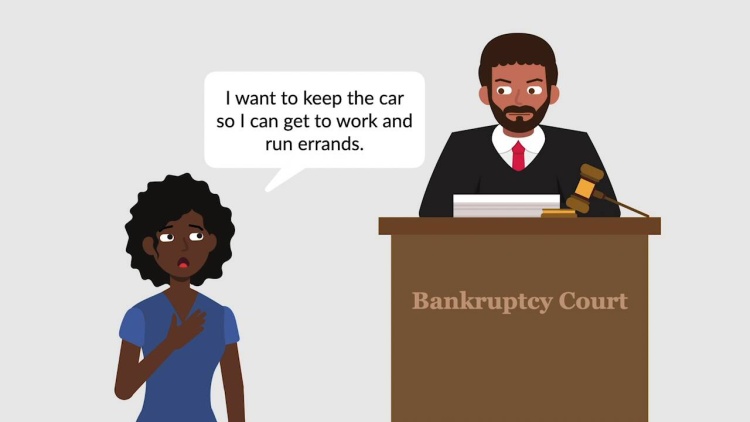
Suppose Debbie Debtor files for chapter 7 bankruptcy owning a car worth $12,000. The car is estate property, but Debbie properly claims an exemption of $4,000 in the car. Also, the car secures $10,000 in debt to a bank, which Debbie incurred to purchase the car. Debbie wants to keep the car after the bankruptcy, because she needs the car to get to work and run important family errands. Indeed, the main reason Debbie filed for bankruptcy was to stop the bank from repossessing the...

Lessons

1. Welcome to Bankruptcy
5. Chapter 7 Liquidation
  • Chapter 7 Panel Trustee
  • Distribution of Estate Property in Chapter 7
  • Discharge in Chapter 7
  • Personal-Property Collateral in Chapter 7
  • General Grounds to Dismiss a Chapter 7 Case
  • Introduction to the Means Test and Dismissals or Conversions for Abuse
6. Debt Adjustment in Chapter 13
  • Eligibility to File for Chapter 13
  • The Estate in Chapter 13
  • Introduction to the Chapter 13 Plan of Debt Adjustment
  • Terms Permitted in a Chapter 13 Plan
  • Chapter 13 Confirmation Requirements: Treatment of Secured Claims
  • Chapter 13 Confirmation Requirements: Treatment of Unsecured and Priority Claims
7. Preferences
  • Introduction to Preferences
  • A Transfer to a Creditor or for a Creditor's Benefit Made for or on Account of an Antecedent Debt
  • A Transfer Enabling a Creditor to Receive More Than It Would in Chapter 7
  • The Net-Benefit Rule
  • Contemporaneous Exchanges for New Value
  • Transfers in the Ordinary Course of Business
  • Subsequent New Value